AEROBILE!

Automobile + Aeroplane = Aerobile

INTRODUCTION

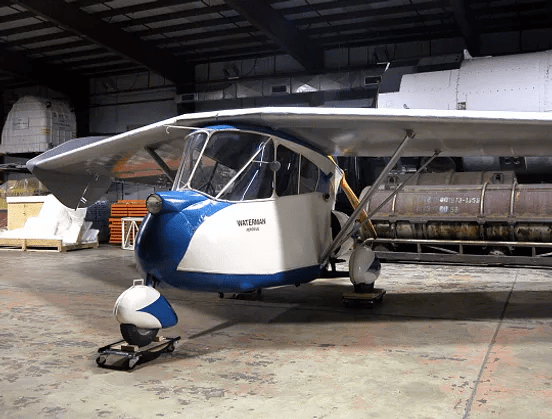
In 1934, there was a competition hosted by the Bureau of Aeronautics to design a very simple, safe-to-fly and non-stalling aircraft with a budget limit of only $700.

Aviation pioneer, Waldo Waterman soon emerged from the pack with a revolutionary flying car design, one that had the elevators and ailerons combined into one and rudders on the wings. In other words, it had no tail!

THE MECHANICS
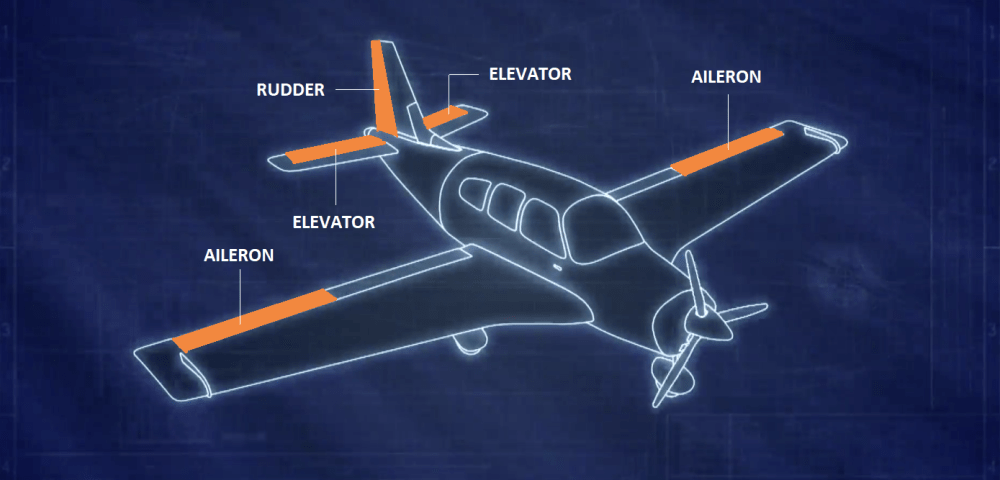
Above is the structure of how a typical plane works. It comprises of the three main components necessary for flight and control. The elevators are responsible for pitching up or down, the rudders for nosing left or right and the ailerons on the wings to control the roll of the plane side to side.

This is Waterman’s model. He removed the tail, swept the wings back, moved the propeller to the rear and added rudders to the wing tips. As for pitch and control, he combined the two control surfaces into one and called them elevons, part elevator, part aileron.
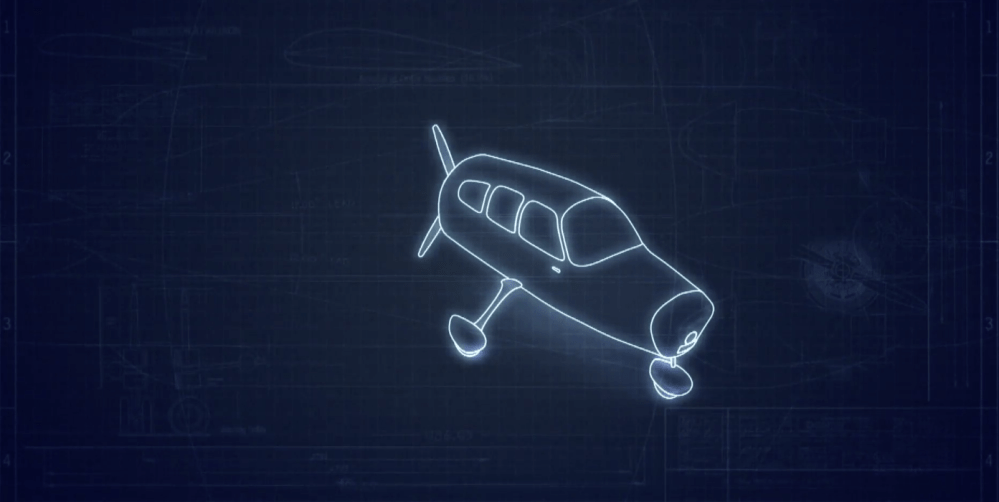
This way when he wanted to drive, all he had to do was remove the wings.

THE RESULT

His aerobile was one of the three winners of the US Bureau of Aeronautics’ contest but it had a collision with the Great Depression of the 1930s. There just wasn’t a market for a flying car resulting in only five aerobiles ever being built.

WALDO WATERMAN
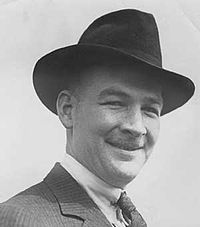
Waldo Dean Waterman, born in San Diego in 1894, was an inventor and aviation pioneer. He built his first aircraft, a biplane hang glider, in 1909 while only in high school. In 1910, as the story continues, he and his partner Glenn Curtiss, build a powered aircraft for the Dominguez Air meet. Unfortunately, the engine could not support the plane being airborne and resulted in a bad crash breaking Waldo’s both ankles. In 1929, he built his first tailless monoplane and called it the Whatsit.

BIBLIOGRAPHY

smithsonianchannel.com
earlyaviators.com
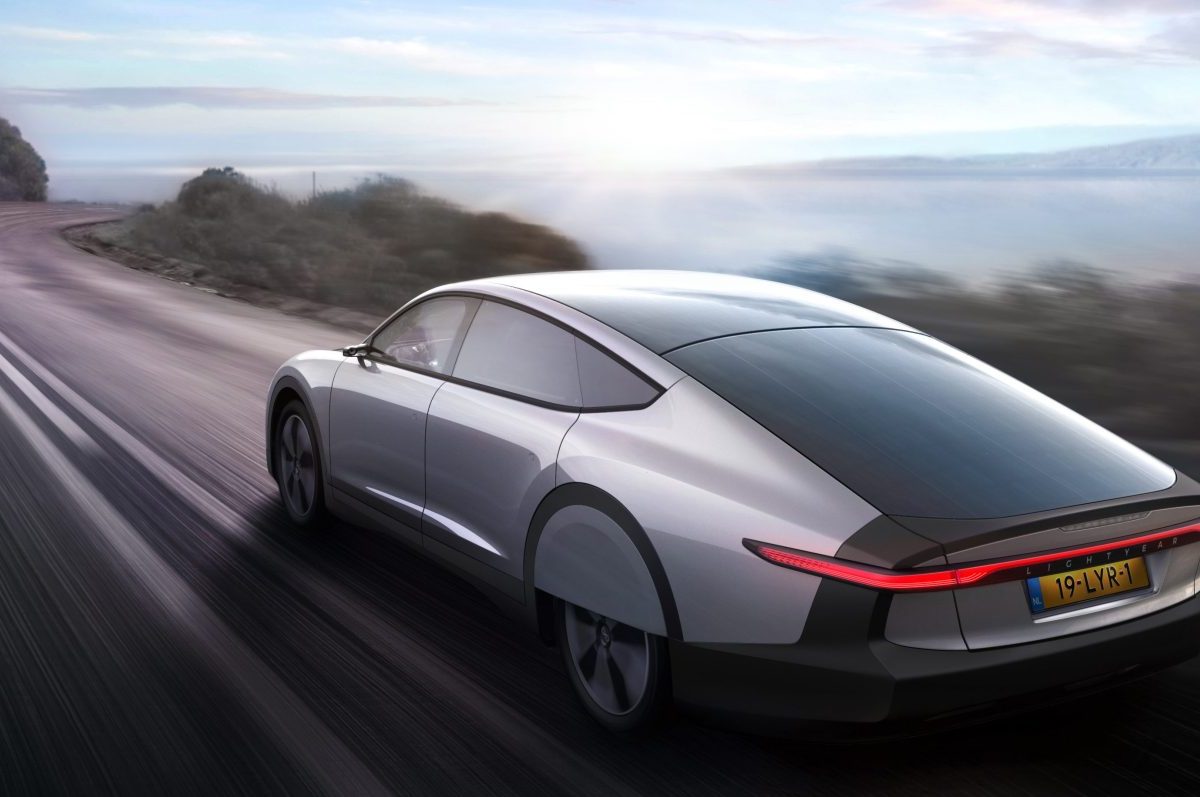
THE LIGHTYEAR ONE!

LIGHTYEAR ONE

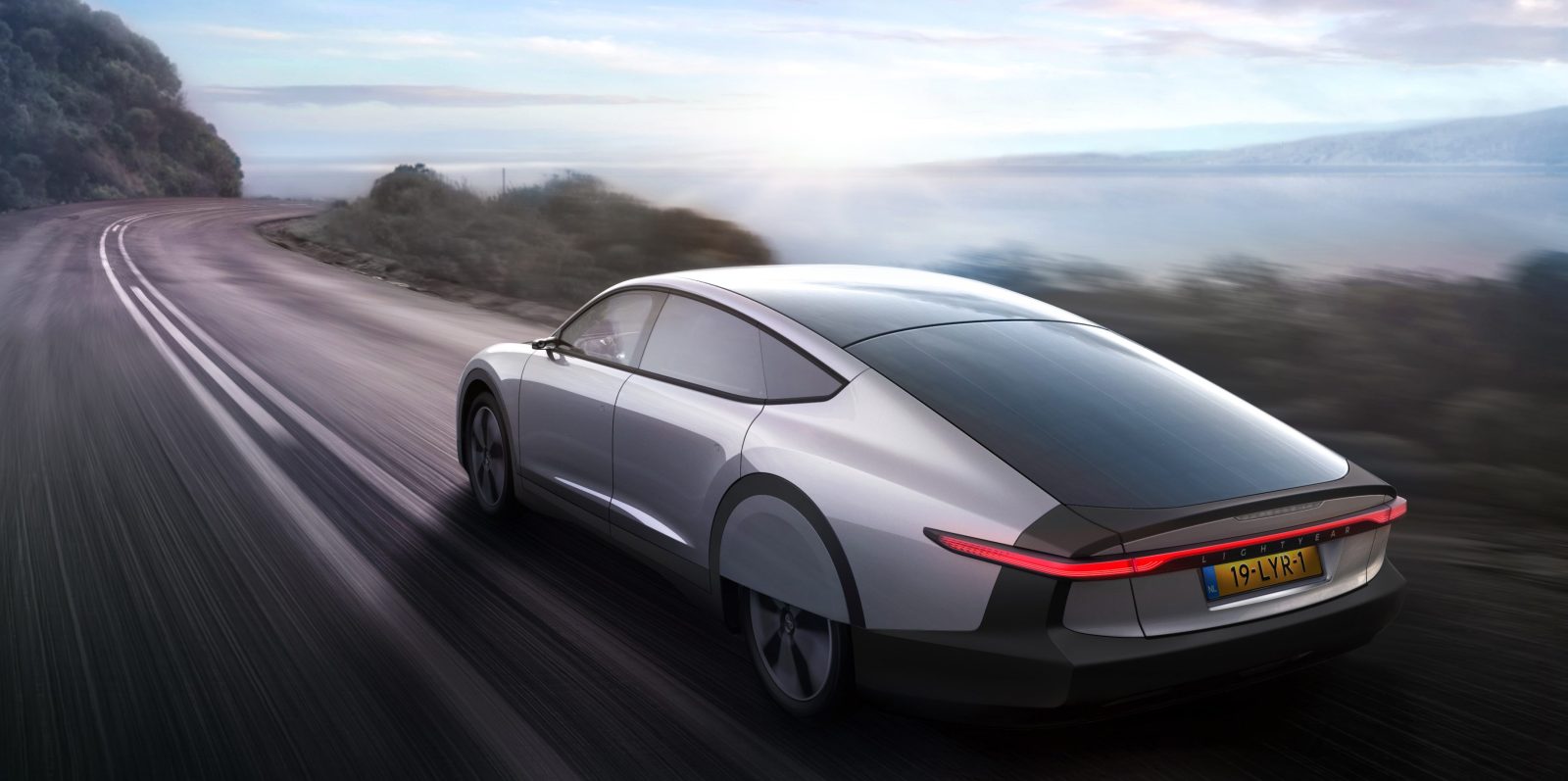
This is the Lightyear One, an all-electric luxury car that, according to its creators, can drive almost 500 miles (800 km) on a single charge. If compared with an average electric car that gets around 190 miles (305.8 km) , and even Tesla’s top Model S that manages 370 miles (595.5 km), it’s impressive. So how is 500 miles possible? It’s because the Lightyear One is powered by the sun using 54 square feet of solar panels covering the roof and hood.

While the Lightyear One is first and foremost a plug-in electric vehicle that can fast-charge up to 354 miles worth of energy within an hour, its self-charging capability could find certain owners rarely even needing to plug their car into the ports. Adding to it, the sun can also add up to an additional 7.5 miles each hour to the vehicle’s total range. In ideal conditions, its solar panels can generate over 12,000 miles ( 19,300 km) worth of energy in a year.

Lightyear is taking preorders now for the first 500 cars for a reservation price of about $135,000. When the car finally hits Netherland production lines in 2021, the price is expected to start at about $170,000. Despite the expensive cost, Lex isn’t worried as the price of solar technology continues to drop which should eventually allow Lightyear to launch cheaper models.

MORE ABOUT LIGHTYEAR

The One’s manufacturer, Dutch startup company Lightyear, was founded in 2016 by former members of a team of engineering students whose solar-powered vehicles won the Bridgestone World Solar Challenge race in 2013, 2015, and 2017.

INTERACTION WITH THE CEO

When asked the company’s ambitious CEO, Lex Hoefsloot, a question (Why solar power?), he replied that the Lightyear One’s battery alone is capable of up to 450 miles of driving range. On a sunny day, those solar panels would yield you an additional 35 to 47 miles and even faced with zero sunlight, heavy winds, and below-freezing temperatures, Lightyear still guarantees around 250 miles of range.

While the Lightyear One’s maximum driving range far surpasses that of even Tesla’s top model, the car’s four electric motors definitely won’t keep up with a Tesla Model S. However, Lex says that the car was never built to be a speed demon, trading fast acceleration time for faster road trips.

Karl Benz (1885-1899)

INTRODUCTION

Karl Benz, in full Karl Friedrich Benz, was fundamentally a German mechanical engineer who designed and in 1885 build the world’s first practical automobile to be powered by an internal combustion engine.

What is an internal combustion engine?

An internal combustion engine is any group of devices in which the reactants (oxidizer and fuel) and the products of combustion serve as the working fluids of engine and power, in this case, the automobile.

Internal Combustion Engine

BENZ PATENT MOTOR CAR (1885-1886)

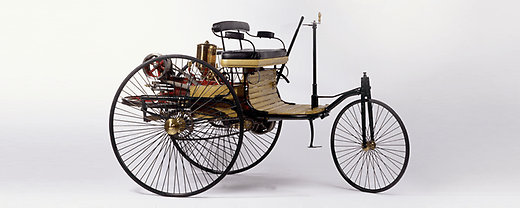
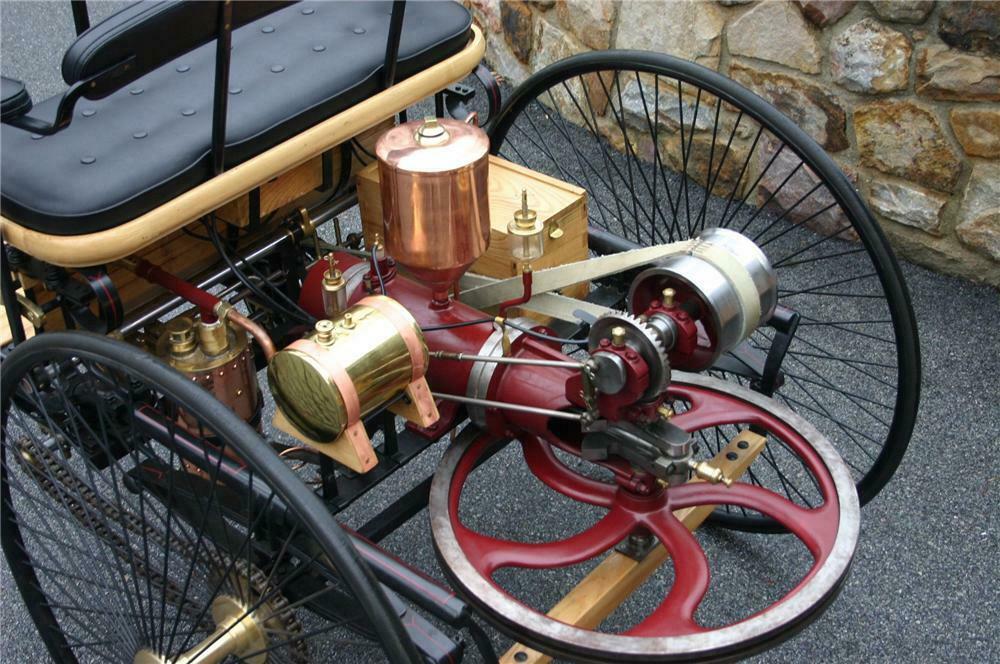
Benz patent motor car, also known as the first automobile by some of the historians, was the first stationary gasoline-engined car. It was a one-cylinder two-stroke unit which ran for the first time on New Year’s Eve in 1879. Benz had a lot of commercial success with this car. He devoted more of his time getting closer to his dream (creating a lightweight car powered by a gasoline engine in which the chassis and engine formed a single unit).

Benz patent Motorwagen

DOUBLE-PIVOT STEERING (1893-1894)

It was Karl Benz who first thought and made double-pivot steering a reality. It was patented in 1893 and solved the most urgent problems of the automobiles. The first Benz with this steering system was the 3 horsepower Victoria with slightly different bodies built. The world’s first production car with approximately 1200 units was Benz Velo of 1894, a lightweight, compact, durable, and inexpensive car.

RACING CARS

The launch of the first series racing cars by Karl Benz took place in 1899!

BIBLIOGRAPHY

  1. britannica.com
  2. daimler.com

Electric car (1832-1890s)

BEGINNINGS

Who invented the first electric vehicle (EV) is uncertain as several inventors have been given the credit. Between 1832-1839, Robert Anderson of Scotland invented a crude electric-powered carriage. In 1835, Professor Stratingh with the help of Christopher Becker made a small-scale electric car and Thomas Davenport, a blacksmith from Brandon, Vermont, made it too. Davenport is also credited for making the first American-built DC electric motor.

ROBERT ANDERSON’S ELECTRIC CAR (A.K.A AMERICAN THOMAS DAVENPORT)

BETTER BATTERIES

The more practical and more successful electric vehicles took shape in 1842 with the inventions of Thomas Davenport and Scotsman Robert Davidson. They were the first to use the newly-invented, non-rechargeable electric cells (batteries). In 1865, Frenchman Gaston Planté developed further on the storage of these batteries. And in 1881, his fellow countryman Camille Alphonse Faure even further developed on his workings.

AMERICAN DESIGNS

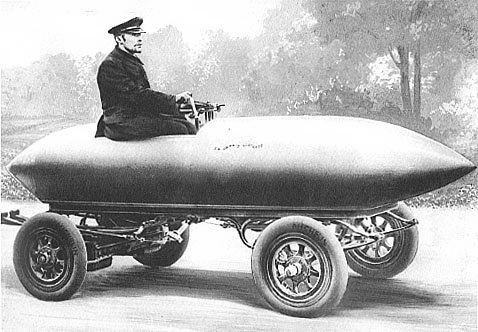
In the late 1800s, France and Great Britain became the first nations to support the widespread development of electric vehicles. In 1899, a Belgian-built electric racing car, called “La Jamais Contente,” set a world record of 68mph.

It was not until 1895 that the Americans began to devote attention to electric cars after an electric tricycle was built by A. L. Ryker, in 1891, and William Morrison built a six-passenger wagon, in 1890. Many innovations followed and interest in EVs increased greatly in late 1890s and early 1900s. In fact it is believed that William Morrison’s design that had space for passengers was the first real and practical EV.

WILLIAM MORRISON’S SIX-PASSENGER WAGON

FUN FACT

1. La Jamais Contente was the first car to reach land speeds of about 100km/hr!

BIBLIOGRAPHY

thoughtco.com

Electric model car (1828)

ÁNYOS JEDLIK

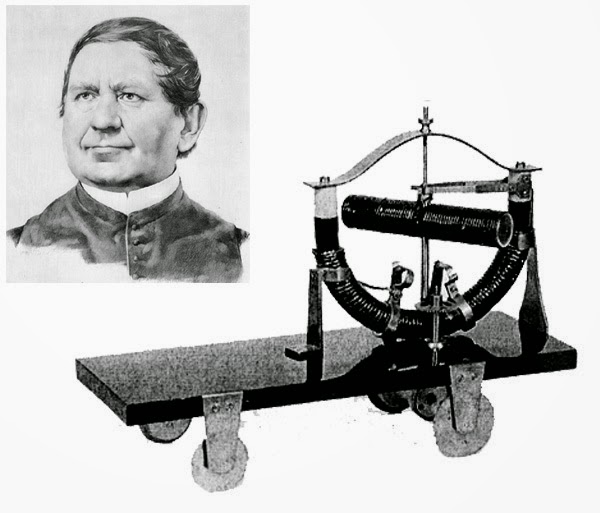
Ányos Istvan Jedlik; born on 11th January 1800; was a Hungarian inventor, engineer, physicist, and Benedictine priest of Slovak origin. He was also a member of the Hungarian Academy of Sciences and the author of a few books. Most importantly, he was considered to be the unsung father of the dynamo and electric motor by the Hungarians and Slovaks.

WHAT IS DYNAMO AND HOW DOES IT WORK?

Dynamo, by definition, is a machine used for converting mechanical energy to electrical energy, typically by means of rotating coils of copper wire in a magnetic field. In short, it is a device that makes direct current electric power using electromagnetism.

In layman’s language, a dynamo is a magnet rotating while inside the influence of another magnet’s magnetic field. If we go a bit deeper, it is made up of stationary magnets (stator) that create a powerful magnetic field and a rotating magnet (rotor) which cuts through the magnetic field of the stator. When the rotor cuts through the magnetic field, electricity is generated.

ELECTRIC MOTOR AND AN ELECTRIC MODEL CAR

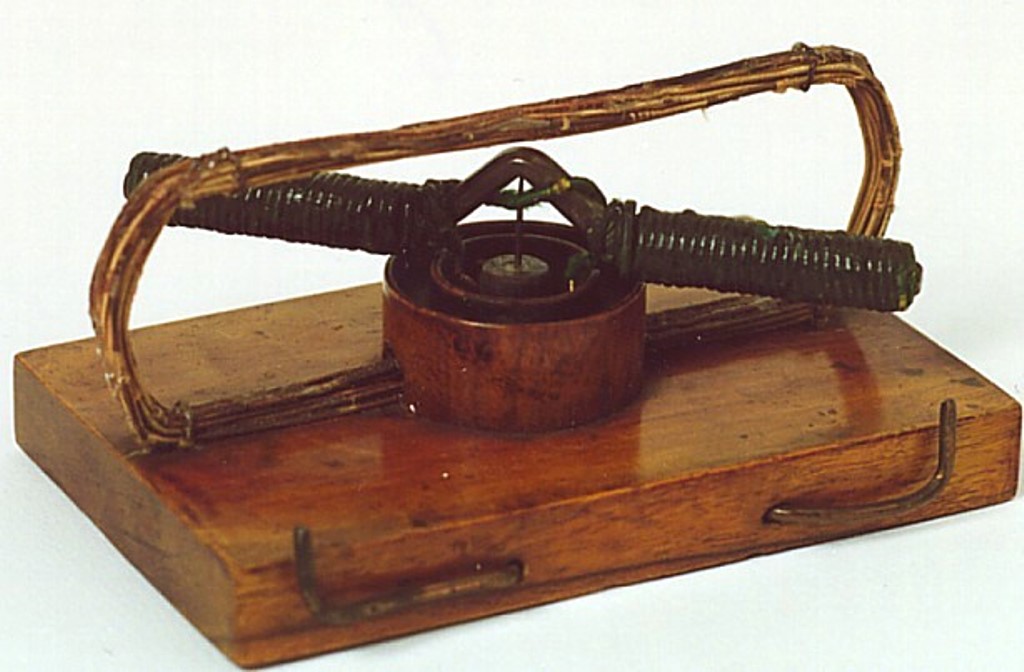
Coming to electric motors and cars. Throughout the history of electric cars, many people have been credited with its making, but it first emerged in the early 1800s. In 1828, Ányos Jedlik built a small model car powered by an electric motor. This led to the development of electric cars that were bought, throughout US and Europe, in huge amounts in the late 1800s.

BIBLIOGRAPHY

  1. edisontechcenter.org
  2. edubilla.com
  3. insider.com

Hydrogen Car (1806)

FRANÇOIS ISAAC DE RIVAZ

Image result for Francois Isaac de Rivaz

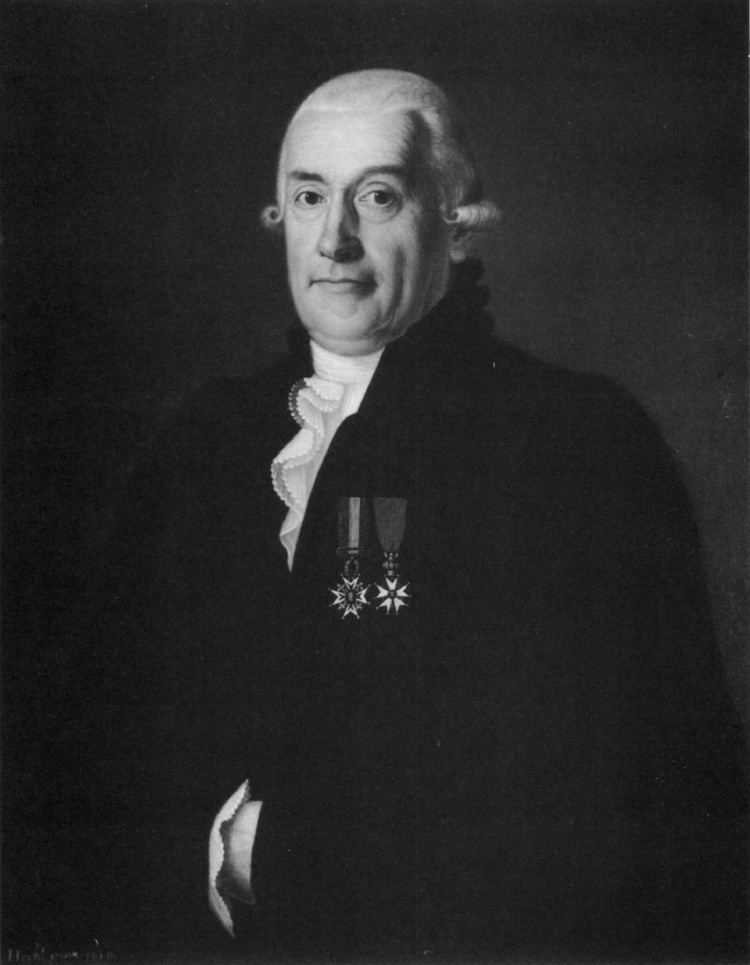
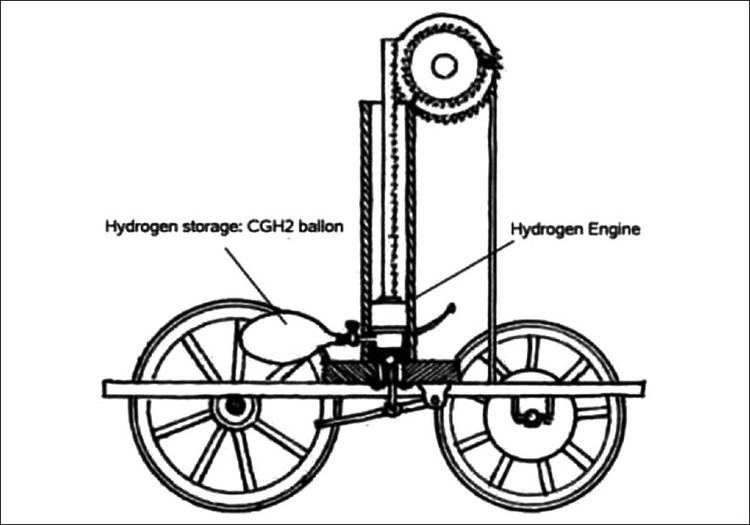
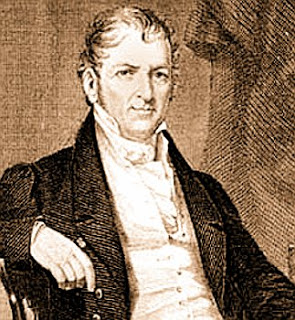
Many people have tried to invent cars but a very few of them were successful. One of them was Francois Isaac de Rivaz. He was a Swiss inventor credited with inventing the first successful internal combustion engine in 1806. This internal combustion engine was powered by a mixture of hydrogen and oxygen instead of oil – A much wanted fuel nowadays.

Related image

BIBLIOGRAPHY

fuel-efficient-vehicles.org

Steam Car (1769-1771)

NICOLAS JOSEPH CUGNOT

The automobile, as we know today, was not created in a day or two. It took years of hard work and patience by the inventors and more than 100,000 patents globally. The idea of a car, as we all know, was first drawn up by Leonardo da Vinci and Isaac Newton. But what we don’t know is the person who put in relentless efforts to make it a reality.

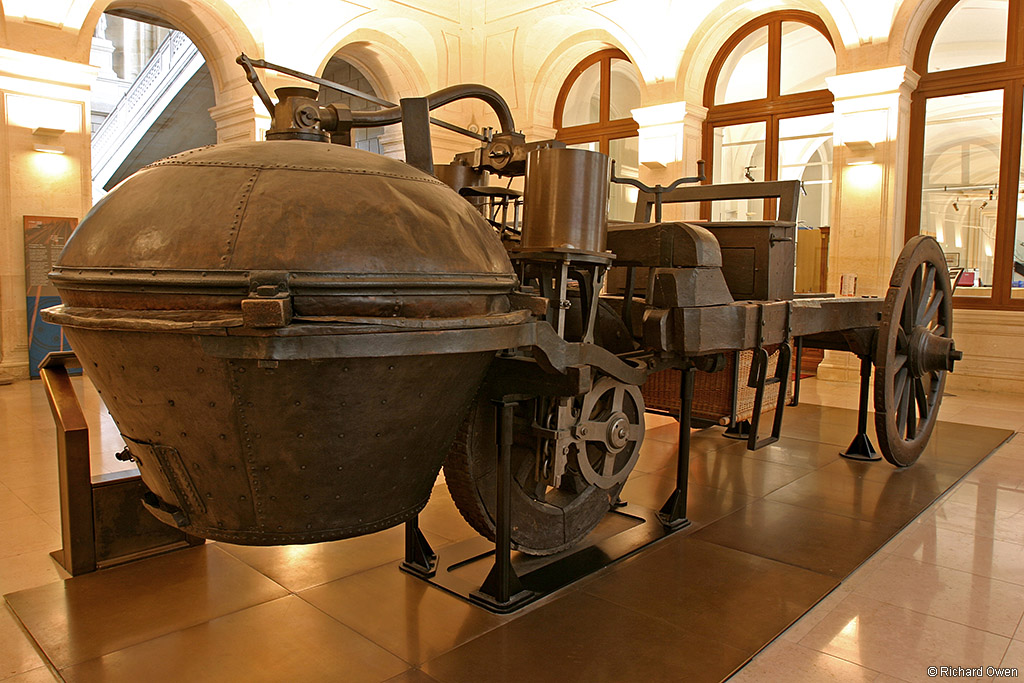
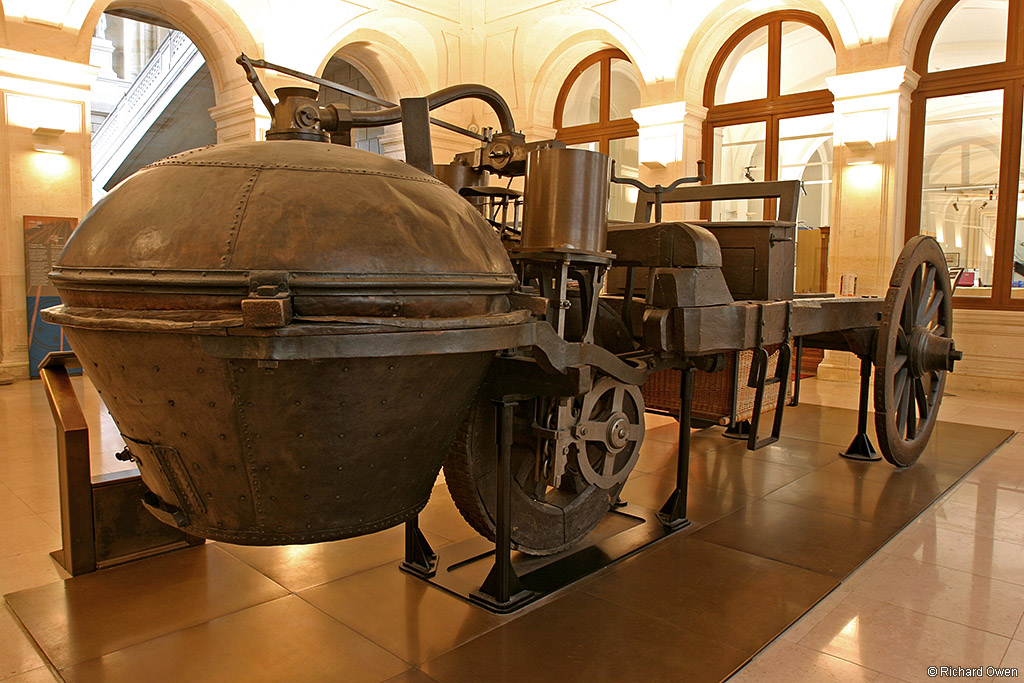
Cars have always been a wonder to everyone and have reduced in size ever since they were made. The first ever functioning automobile was made by Nicolas Joseph Cugnot. It was the very first self-propelled road vehicle and was taken by the French army as a military tractor to haul artillery at a whopping speed of 2 and 1/2 miles per hour. Due to a lack of technology at those times the automobile had to stop and take rest after every ten to fifteen minutes to build up steam power and to not overheat.

1769 Cugnot Steam Tractor

The following year, in 1770, Cugnot built another steam-powered tricycle that could carry four passengers! In 1771, he accidentally drove it into a stone wall, giving himself the distinct honour of being the first person to get into a motor vehicle accident!

BIBLIOGRAPHY

http://www.thoughtco.com

Evolution of Cars!

Evolution of cars has not just brought prosperity to businessmen but has also brought comfort to our lives. Cars have become like our necessity. We cannot even think what would have happened if we didn’t have cars. Understanding how they work in today’s world could be quite difficult but we can surely check out the historic cars and how they have evolved. In my further blogs I will be showing the complete evolution of cars beginning from 1769 to 1899. So stay tuned for further updates.

Amazing facts about cars

AMAZING FACTS

  1. It would take less than 6 months to get to the moon by car if you drive at 95 km/h.
  2. Adolf Hitler, when in prison, wrote to a Mercedes dealership begging for a car loan.
  3. An average car has 30,000 parts out of which 80% of them are recyclable.
  4. In Russia, driving around in a dirty car is a criminal offence.
  5. There are more number of cars than people in Los Angeles.
  6. The inventor of the cruise control (a much used feature nowadays) was blind.
  7. In the year 1941, Henry Ford made a car out of soybeans.
  8. In the early years of 20th century horses were causing so much pollution with their poop that cars were considered as their “green” alternative.
  9. Nevada became the first state to issue licenses for self-driving cars in 2012.
  10. The inventor of the windshield wipers tried to sell his idea to the automobile industry and was turned away. When the wipers began showing up on the new cars, he sued them and won.
  11. The top speed of a car at the world’s first real automobile race was just 15 mph.
  12. Denmark charges a stupendous tax of 150% on all the new cars brought.
  13. The co-founder of Domino’s pizza traded all his shares for a Volkswagen.
  14. Majority of America has automatic cars due to which only 18% of Americans can drive a car with manual transmission.
  15. Anyone aged 14 or older can drive a VSP car in France without a license.
  16. The first sketch of the design of a mini cooper was drawn on a napkin in Switzerland.
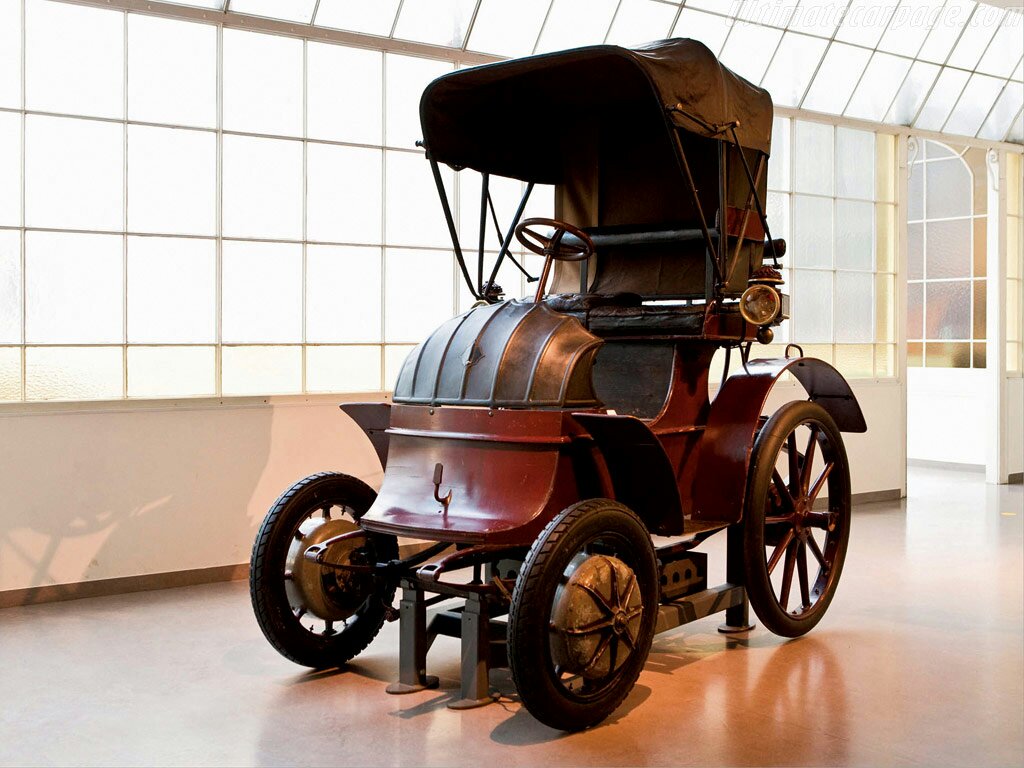
  17. Porsche’s first car, launched in 1898, was electric.
Image result for porsche electric car 1898
Porsche’s first car (electric)

BIBLIOGRAPHY

http://www.factslides.com

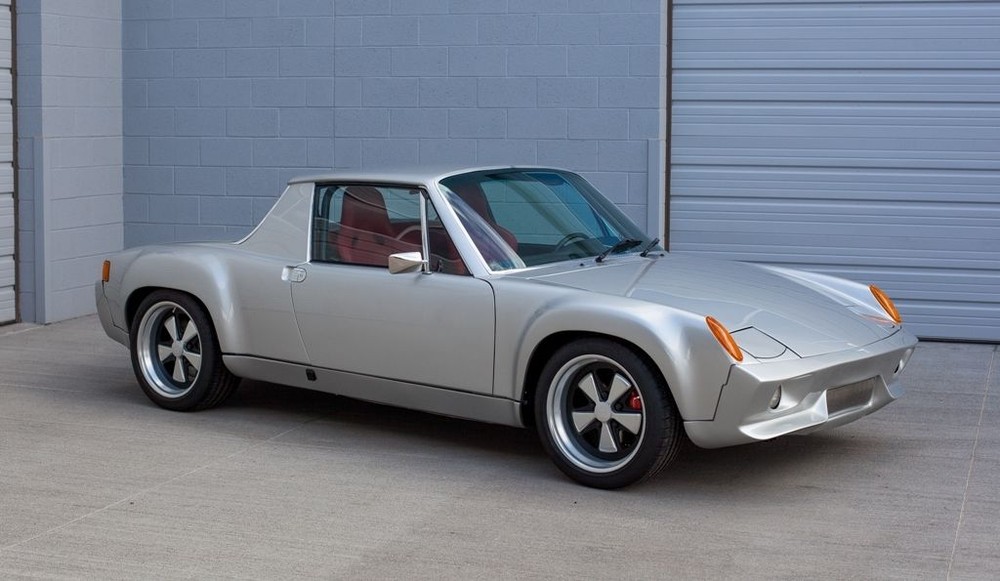
The ill-fated Porsche 916

Image result for porsche 916
Porsche 916

Probably being one of the rarest automobiles in the world, the Porsche 916 never made it to production reality. Only 11 of its fantastic prototypes were ever built and only one, the original one, was sent to Brumos Porsche in the United States of America with an A/C.

The Porsche 916 was basically a 911S powered automobile and had a fixed roof unlike that of the Porsche 914 which came with the famous ‘targa’ (semi-convertible car body style with a removable roof) top. The bumper panels were painted to match the color of the car and it had flared out fenders as well but the thing that separated it from all the other Porsche models of that time was the fact that it was the fastest sports car that Porsche had ever built! It also had a top speed of 145 mph which was pretty impressive back in those days.

Image result for first ever targa top car
A ‘targa’ top car

When it was being developed the Porsche 916 was planned to have a retail price of $14,000 which would have made it the most expensive Porsche ever built. Yes it sounds like a really low number today but, when you compare it to the price of the best Porsche 911 of the day at $10,000 you quickly see that the 916 was 40% costlier.

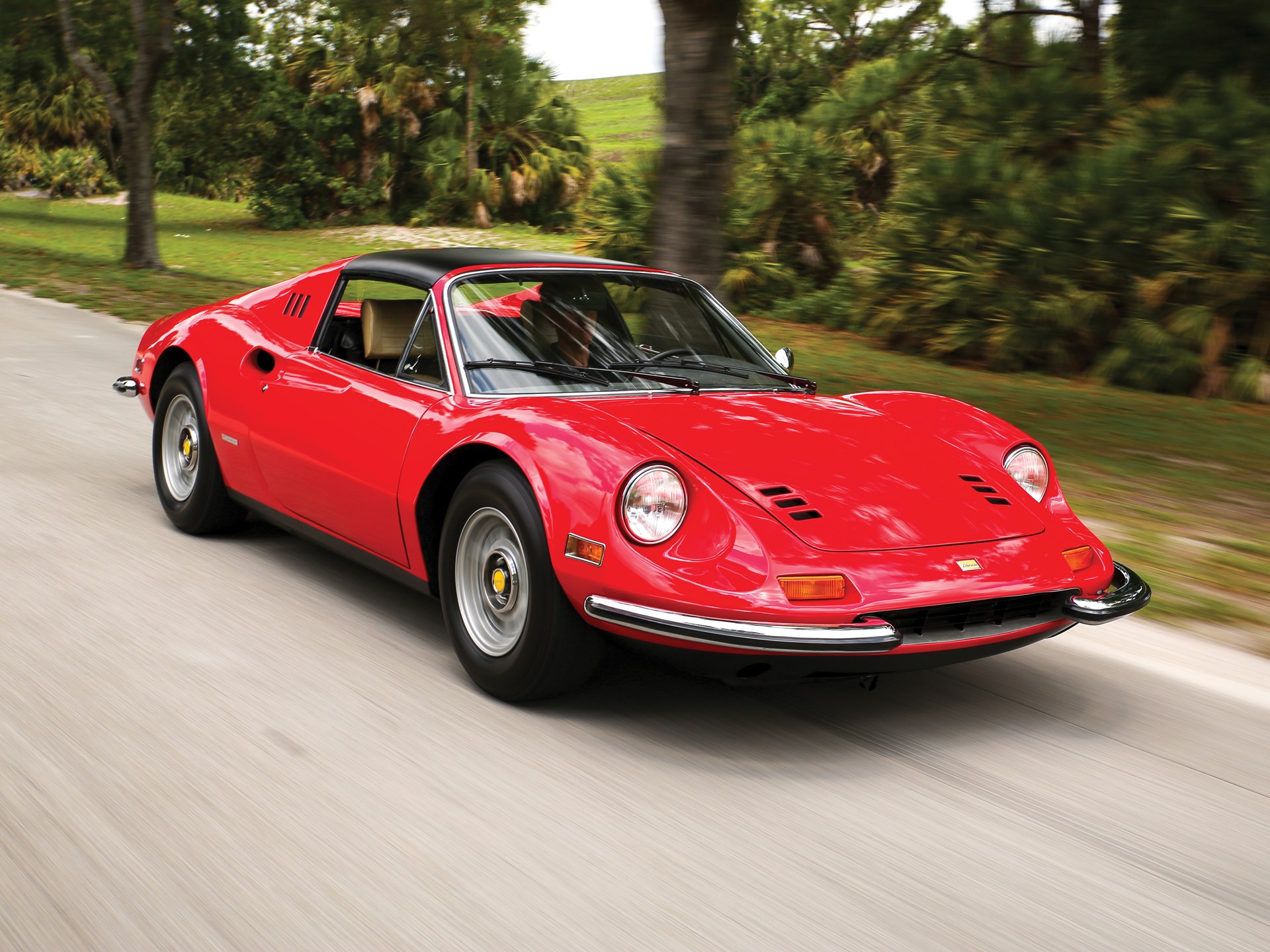
And that was the problem.  The 916 was designed to be a competitor to the Ferrari 246 Dino but, because of a decline in overall Porsche sales around the world the Porsche 916 was dropped and only the 11 prototype models were actually produced.

Image result for ferrari dino
Ferrari Dino

It’s a real shame too because the 916 was a better, stronger and faster car than the 914.

BIBLIOGRAPHY

speakingofautomobileatlanta